Choosing an ABA Therapist in Endicott: 10 Must-Know Tips
Finding the right ABA therapist can feel overwhelming—especially when you’re balancing schedules, budgets, and your child’s unique needs. If you’re exploring ABA providers in Endicott, NY, this guide simplifies the process. Below are 10 practical tips to help you evaluate ABA therapy qualifications, confirm autism therapy credentials, and choose an experienced, supportive partner for your family.
1) Verify Credentials: BCBA and Licensure Start by confirming that the supervising clinician is a BCBA certified therapist and, in New York, a licensed behavior analyst. These designations indicate advanced training in behavior analysis, ethical standards, and supervised experience. Ask to see current licensure, and confirm that direct therapy is overseen by a BCBA or BCBA-D, with Registered Behavior Technicians (RBTs) implementing plans under supervision.
2) Ask About Clinical Experience With Similar Profiles Not all autism therapy is the same. When choosing an ABA therapist, inquire about experience with your child’s age, communication profile, and support needs (e.g., early learners, AAC users, co-occurring ADHD or anxiety). Local autism specialists in Endicott should be able to share case examples (de-identified), outcome measures, and how they generalize skills across settings like home, school, and community.
3) Review Assessment and Goal-Setting Practices Quality ABA consultation in Endicott should include a thorough intake, functional assessments (e.g., FBA), and baseline data collection. Ask how goals are chosen, how family priorities are included, and how often the treatment plan is updated. Request sample goals that are socially significant, measurable, and tied to independence, communication, play, and daily living.
4) Ensure Compassionate, Family-Centered Care A strong ABA provider in Endicott, NY will prioritize assent-based, trauma-informed practices. Look for therapists who:
- Use positive reinforcement over punitive methods Incorporate child choice and preferences Teach functional communication to replace challenging behavior Respect neurodiversity and your family’s cultural values Ask how they monitor client assent and handle signs of distress.
5) Evaluate Supervision and Staff Training The best outcomes often correlate with high-quality supervision. Ask:
- How many hours per week the BCBA provides direct supervision Whether RBTs receive ongoing training, feedback, and competency checks Staff caseload sizes and turnover rates How the provider ensures fidelity to the treatment plan This reveals the depth behind the ABA therapy qualifications of the entire team.
6) Confirm Data Collection and Progress Reporting ABA thrives on data. Your chosen practice should collect session-by-session data and share progress transparently. Ask to see a sample data sheet or dashboard and how often you’ll receive written updates. Clear visuals and plain-language summaries help families stay involved and advocate for adjustments when needed.
7) Clarify Settings: Home, Clinic, Community, or https://behavioral-growth-stories-personal-growth-family-features.lucialpiazzale.com/structured-clinic-aba-data-fidelity-and-protocol-adherence-vs-home-flexibility Hybrid Some ABA providers in Endicott, NY offer center-based therapy, while others focus on home or community sessions. Each has pros and cons. For generalization of skills, many families benefit from a hybrid model. Ask how the provider coordinates with schools, speech therapy, or OT to keep goals consistent across environments.
8) Understand Insurance and Financials Insurance accepted ABA can significantly reduce out-of-pocket costs. Before starting, confirm:
- Which insurers are in-network What authorizations or evaluations are required Session limits, copays, and deductibles Policies on cancellations and make-up sessions A reputable practice will help you navigate benefits and pre-authorization requirements.
9) Read Local Reviews and Request References ABA provider reviews can offer insight into communication, reliability, and results. Read third-party reviews with discernment and ask the practice for family references. Consider how they handle feedback and whether they can describe service improvements over time. Also ask how long families typically stay with the provider and why they transition.
10) Prioritize Collaboration and Transition Planning The end goal is lasting independence, not indefinite services. When choosing an ABA therapist, discuss plans for transitioning to less intensive supports, school-based services, or caregiver-led strategies. A strong provider will build your capacity through caregiver training, ensuring you can sustain progress beyond formal therapy.
What to Expect in an Initial ABA Consultation in Endicott
- Intake and history: medical, developmental, communication, behavior patterns Preference assessment: finding what motivates your child Observation and data: brief skill probes and behavior metrics Plan outline: assessment tools to be used, initial target goals, supervision structure Logistics: scheduling, staffing, insurance accepted ABA steps, and next milestones
Red Flags to Watch For
- No BCBA certified therapist involvement or unclear supervision Refusal to share treatment rationales, data methods, or progress reports Overemphasis on compliance without communication support One-size-fits-all programs with minimal family input Resistance to collaborating with schools or other providers
How to Compare Multiple ABA Providers in Endicott, NY
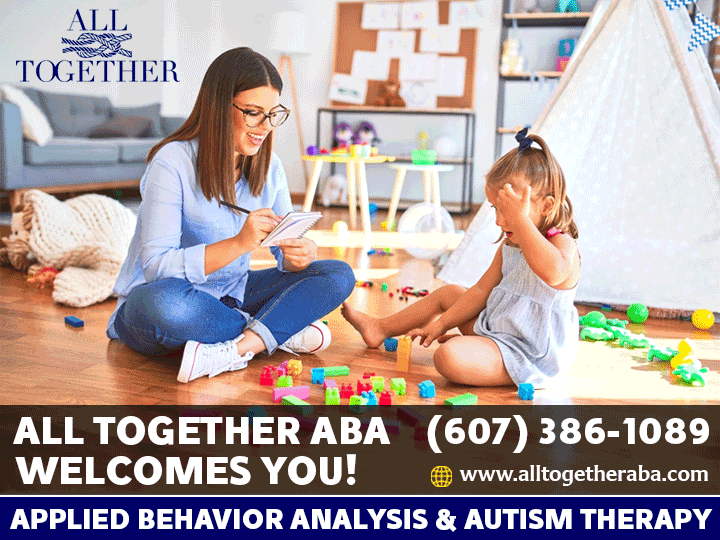
- Make a short list of local autism specialists and request discovery calls Use a checklist: credentials, supervision hours, assessment approach, caregiver training, setting options, insurance details, and family involvement Ask each provider to outline a hypothetical plan based on your goals Choose the team that offers clarity, empathy, structure, and measurable outcomes
Getting Started If you’re ready to begin, contact two to three ABA providers in Endicott, NY and schedule an ABA consultation in Endicott. Bring your insurance card, any recent evaluations, IEPs, and a priority list of concerns. Focus on fit, transparency, and a shared vision for your child’s growth.
Frequently Asked Questions
Q1: What credentials should I require from an ABA therapist in New York?
A: Look for a BCBA certified therapist and a New York licensed behavior analyst supervising care. RBTs may deliver sessions under BCBA supervision. Confirm active licensure and ask about ongoing training.
Q2: How many hours of ABA are typical?
A: It varies by need—from 10–15 hours weekly for focused goals to 25–40 for comprehensive programs. Your provider should base recommendations on assessment data and family priorities.
Q3: Does insurance cover ABA in Endicott, NY?

Q4: How soon should I see progress?
A: You should see early indicators—engagement, reduced frustration, better communication—within weeks. Providers should share data frequently and adjust the plan if progress stalls.
Q5: Can ABA coordinate with school services?
A: Yes. Many local autism specialists collaborate with school teams to align goals and support generalization. Request regular updates and consented communication between providers.